

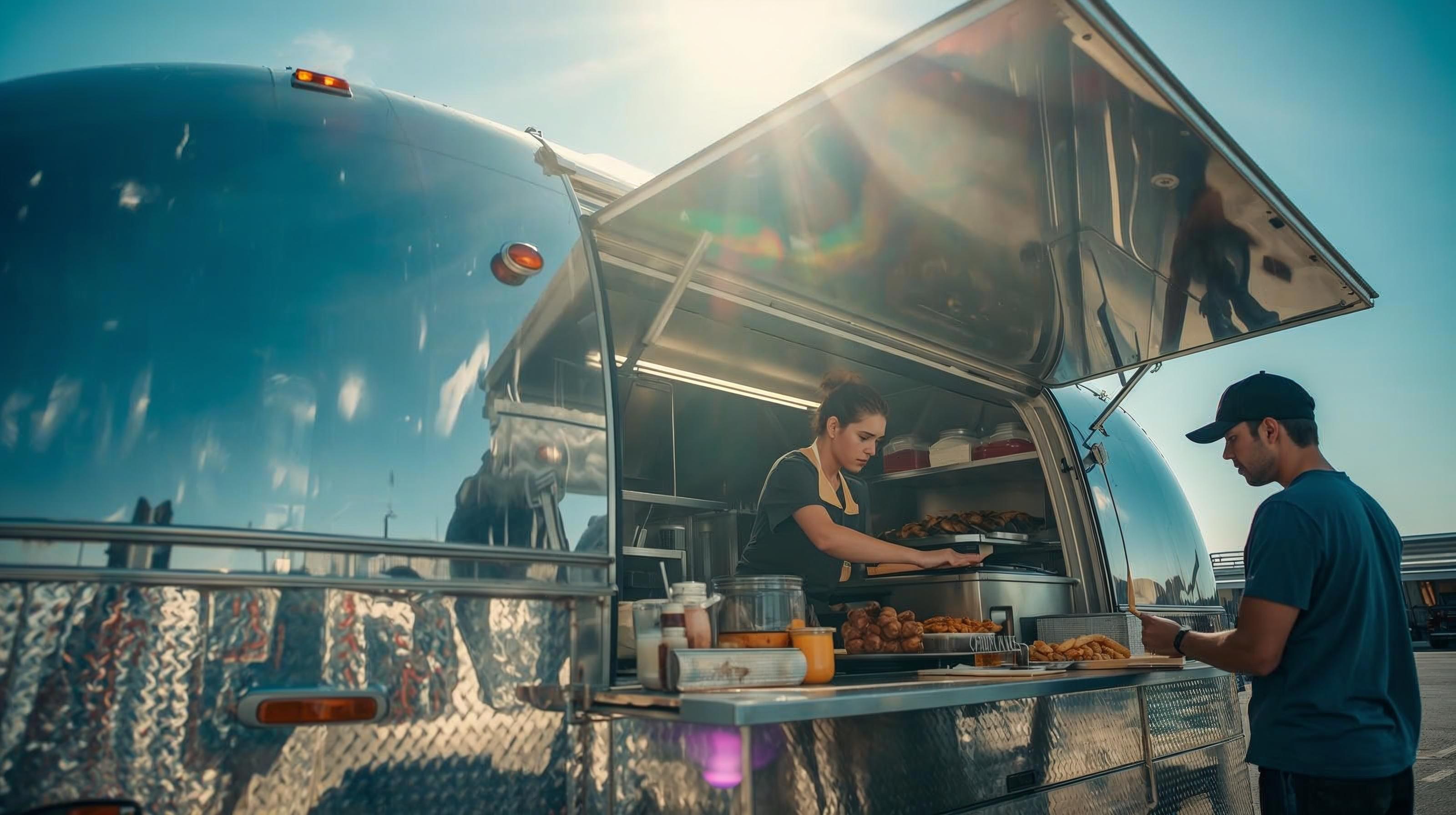
How to Choose the Right Size and Fit-Out for Your Food Trailer in New Zealand
Launching a food trailer is one of the fastest and most flexible paths into New Zealand’s hospitality scene. But before choosing colours, equipment, or branding, one decision will shape everything that follows: selecting the right trailer size and fit-out. Get this right, and you’ll enjoy smoother service, lower running costs, and a layout that supports your growth. Get it wrong, and even great food won’t overcome cramped working conditions or inefficient workflow.
This guide breaks down everything you need to consider before locking in your build.
Start With Your Menu — It Decides Everything
Your menu is the foundation of your entire setup. The number of appliances you need, the type of cooking you’ll do, and the amount of prep space required all flow from this simple starting point. A coffee trailer, for example, can comfortably operate in a compact 3m unit because most of the work revolves around the espresso machine, grinder, cabinet, and refrigeration. In contrast, a kebab, burger, or fried-chicken kitchen demands more equipment and more bench space, making a 3.5m to 4m trailer far more practical.
Think carefully about how much food you’ll prepare on-site and whether your workflow requires refrigeration, freezer storage, multiple cooking appliances, or a simple prep-and-serve environment. A menu that involves multiple cooking styles or high-volume service quickly pushes you toward a larger layout.
Example:
- A coffee & cabinet-food trailer can run comfortably in a 3m–3m trailer.
- A kebab, burger, or fried-chicken setup usually needs 3.5m–4m.
- A multi-cuisine setup might require 4.5m or more.
Consider Where You’ll Operate
Your trading environment in New Zealand influences the trailer size just as much as your menu. Urban markets and events often come with tight parking spaces and limited manoeuvring room. For these environments, operators tend to choose between 3m and 3.5m trailers, which are easier to tow and position.
Roadside setups, private sites, and semi-permanent locations give you more flexibility. If you’re operating at beaches, parks, or rural events, a larger trailer—something in the 3.5m to 4.5m range—allows you to install a full commercial kitchen without worrying about space constraints. Meanwhile, operators who frequently travel between events often prefer smaller builds to reduce fuel consumption and towing stress.
Think About Staff Workflow
Inside a food trailer, workflow is everything. The layout should feel like a smooth production line where tasks flow logically from one area to the next. A well-designed trailer keeps the cooking zone separate from the cleaning area and places fridges close to prep surfaces for fast access. The ideal setup avoids staff crossing over each other, which slows service and increases the chance of mistakes during peak periods.
As a general rule, once you have two or more staff working inside, shorter units under 3m begin to feel crowded unless your menu is extremely simple. A bit more space dramatically improves comfort and efficiency during busy service times.
Understand New Zealand Compliance Requirements
New Zealand councils have clear expectations for mobile food businesses, and your fit-out must be designed with compliance in mind. Food-grade surfaces, hand-washing facilities, adequate ventilation, and safe gas and electrical systems are non-negotiables. Gas appliances must be certified by a licensed New Zealand gasfitter, and the trailer needs an electrical warrant of fitness (EWOF) before trading.
Water storage is another key requirement. Most operators use tanks sized according to their menu and expected daily output. Designing your layout with these elements included from the start avoids costly changes later and ensures you pass council inspection without delays.
Choose the Right Equipment for Your Fit-Out
The best fit-out is not the biggest—it’s the one that matches your operational needs. Every additional appliance takes up space, adds weight, and increases power or gas demand. Stainless steel benches, good lighting, service windows, and well-positioned storage shelves create a more functional environment and keep your workflow clean and organised.
Focus on what you genuinely need. Excess equipment not only increases the build cost but also crowds your workspace and slows your team down.
Common options include:
- Commercial deep fryers
- Gas griddles & grills
- Bain-maries
- Under-bench fridges
- Rangehood extraction
- Coffee machine & grinder
- Benchtop prep station
- Freezer compartments
- Stainless steel benches
- Service windows
- LED lighting
- Generator or shore power connection
- Gas bottle holder
Only include what you really need—extra equipment adds unnecessary cost and consumes valuable space.
Don’t Overlook Weight and Towing
Weight is a major consideration in New Zealand because your tow vehicle must legally and safely handle your trailer mass. A fully fitted food trailer typically weighs between 1,200kg and 1,800kg, while larger builds can climb to 2,000kg or more. When combined with food supplies, water, gas bottles, and equipment, it’s easy to exceed the towing limits of smaller vehicles.
Before choosing a trailer size, check your vehicle’s braked towing capacity. Sometimes opting for a slightly smaller build saves thousands by avoiding the need for a vehicle upgrade.
Storage, Prep Space, and Customer Interaction
Your fit-out should support your daily workflow:
Ask yourself:
- Do I need dry storage?
- How many shelves are required?
- Where will I store packaging (cups, lids, napkins)?
- Do I want a service window on one side or both?
- Will customers queue at the front or side?
A good layout boosts efficiency and reduces downtime during service.
Match Your Trailer to Your Growth Plans
Think about your 2–3 year vision:
- Will you expand your menu later?
- Do you plan to hire staff?
- Will you travel long distances for events?
- Might you open a fixed site in future?
If you’re testing the market, a smaller trailer is low risk.
If you’re scaling fast, investing in a larger, fully kitted unit upfront may be smarter.
Final Thoughts
Choosing the right size and fit-out for your food trailer isn’t about buying the biggest or cheapest unit—it’s about selecting the trailer that matches your menu, your locations, your workflow, and your budget.
At FoodTrailerOnline.co.nz, we help you design a setup that’s efficient, compliant, and profitable from day one. If you need guidance on equipment, layout, or custom builds, we’re always here to help.
Ready to build your perfect food trailer?
👉 Contact us to discuss your concept and get customised recommendation.